Framing, Foundation, and More: The Early Stages of Home Construction
Building a new home is an exciting and complex process that involves several stages, from planning and design to completion. The early stages of home construction are crucial, as they lay the foundation for the entire project. In this article, we will explore the key components of the early stages of home construction, including framing, foundation, and other essential elements.
Foundation: The Base of the Home
The foundation is the base of the home, providing a solid platform for the structure to stand on. There are several types of foundations, including:
- Slab foundation: A slab foundation is a single layer of concrete that is poured directly onto the ground. This type of foundation is common in warm climates and is often used for homes with a simple design.
- Crawl space foundation: A crawl space foundation is a type of foundation that has a space between the ground and the floor of the home. This type of foundation is common in areas with high water tables or where the soil is unstable.
- Full basement foundation: A full basement foundation is a type of foundation that has a full basement level, which can be used for storage, living space, or other purposes.
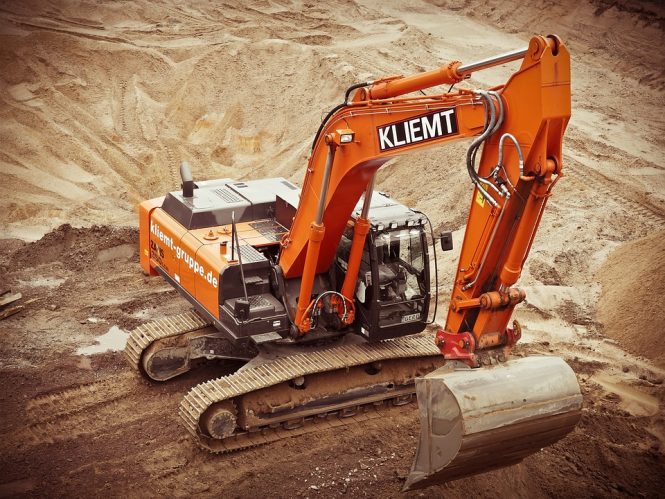
The foundation is typically constructed by excavating the site, laying the foundation walls, and pouring the concrete. It’s essential to ensure that the foundation is level, plumb, and square to prevent any issues with the structure of the home.
Framing: The Skeleton of the Home
Framing is the process of constructing the skeleton of the home, which includes the walls, floors, and roof. The framing stage is typically done after the foundation is complete and involves:
- Floor framing: The floor framing involves constructing the floor joists, which are the horizontal beams that support the floor.
- Wall framing: The wall framing involves constructing the wall studs, which are the vertical beams that support the walls.
- Roof framing: The roof framing involves constructing the roof trusses, which are the triangular structures that support the roof.
The framing stage is critical, as it provides the structural integrity of the home. It’s essential to ensure that the framing is square, level, and plumb to prevent any issues with the structure of the home.
Other Essential Elements
In addition to the foundation and framing, there are several other essential elements that are typically completed during the early stages of home construction, including:
- Plumbing: The plumbing system is typically installed during the framing stage, which includes the water supply lines, drain lines, and sewage lines.
- Electrical: The electrical system is typically installed during the framing stage, which includes the wiring, outlets, and switches.
- HVAC: The heating, ventilation, and air conditioning (HVAC) system is typically installed during the framing stage, which includes the ductwork, vents, and equipment.
- Insulation: Insulation is typically installed during the framing stage, which helps to reduce energy consumption and improve the overall comfort of the home.
Conclusion
The early stages of home construction are crucial, as they lay the foundation for the entire project. The foundation, framing, and other essential elements, such as plumbing, electrical, HVAC, and insulation, all work together to provide a solid and comfortable home. It’s essential to work with a qualified builder or contractor to ensure that these stages are completed correctly, as any issues can lead to costly repairs and delays down the line. By understanding the importance of these early stages, homeowners can ensure that their new home is built to last and provides a comfortable and safe living space for years to come.


