Sustainable and Stylish: Exploring the Benefits of Eco-Friendly Roofing Materials
As the world becomes increasingly aware of the importance of environmental sustainability, homeowners and builders are looking for ways to reduce their carbon footprint and create more eco-friendly living spaces. One often-overlooked area of sustainable design is roofing, where traditional materials can have a significant impact on the environment. However, with the rise of eco-friendly roofing materials, it’s now possible to create a roof that is both stylish and sustainable.
The Environmental Impact of Traditional Roofing Materials
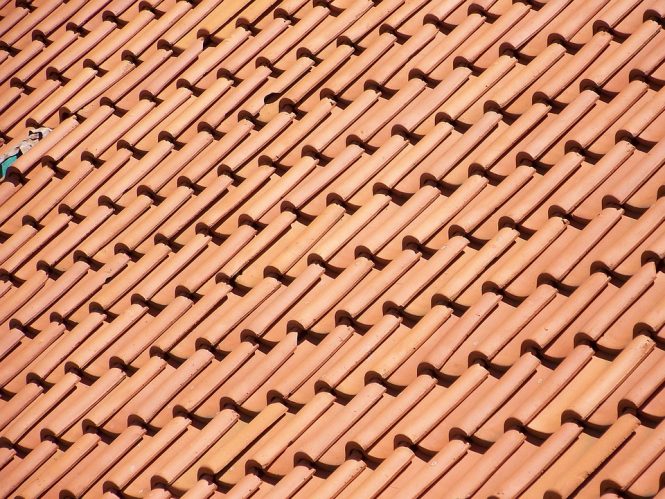
Traditional roofing materials, such as asphalt shingles and clay tiles, have a significant environmental impact. Asphalt shingles, for example, are made from petroleum-based products and contribute to greenhouse gas emissions during production and disposal. Clay tiles, while durable, require large amounts of energy to produce and transport. Additionally, many traditional roofing materials are not recyclable, resulting in millions of tons of waste ending up in landfills each year.
The Benefits of Eco-Friendly Roofing Materials
Eco-friendly roofing materials, on the other hand, offer a range of benefits for both the environment and homeowners. Some of the most popular eco-friendly roofing materials include:
- Solar Roofing: Solar roofing tiles, such as those offered by companies like Tesla, integrate solar panels into the roofing material, generating electricity and reducing energy bills.
- Recycled Metal Roofing: Made from recycled aluminum or steel, metal roofing is durable, energy-efficient, and can be recycled at the end of its life cycle.
- Green Roofs: Also known as living roofs, green roofs are covered with plants and vegetation, providing insulation, reducing stormwater runoff, and creating habitats for wildlife.
- Clay Roofing with Recycled Content: Some manufacturers are now producing clay roofing tiles with high levels of recycled content, reducing waste and energy consumption.
- Slate Roofing: Natural slate is a durable, long-lasting material that requires minimal maintenance and can be recycled at the end of its life cycle.
The Stylish Side of Eco-Friendly Roofing
Eco-friendly roofing materials are not only good for the environment, but they can also add style and curb appeal to a home. Many eco-friendly roofing materials, such as solar roofing and green roofs, offer a unique and modern aesthetic that can increase a home’s value. Additionally, eco-friendly roofing materials can be designed to mimic the look of traditional materials, such as clay or slate, while offering the benefits of sustainability.
The Cost of Eco-Friendly Roofing
While eco-friendly roofing materials may be more expensive than traditional materials upfront, they can offer long-term cost savings and benefits. For example, solar roofing can generate electricity and reduce energy bills, while green roofs can reduce stormwater runoff and minimize maintenance costs. Additionally, many eco-friendly roofing materials, such as recycled metal roofing, can last for 50 years or more, reducing the need for frequent replacements.
Conclusion
As the demand for sustainable and eco-friendly building materials continues to grow, the options for eco-friendly roofing materials are expanding. From solar roofing to green roofs, there are now a range of stylish and sustainable options available for homeowners and builders. By choosing eco-friendly roofing materials, we can reduce our carbon footprint, create more sustainable living spaces, and add style and value to our homes. Whether you’re building a new home or replacing an existing roof, consider the benefits of eco-friendly roofing materials and join the movement towards a more sustainable future.


