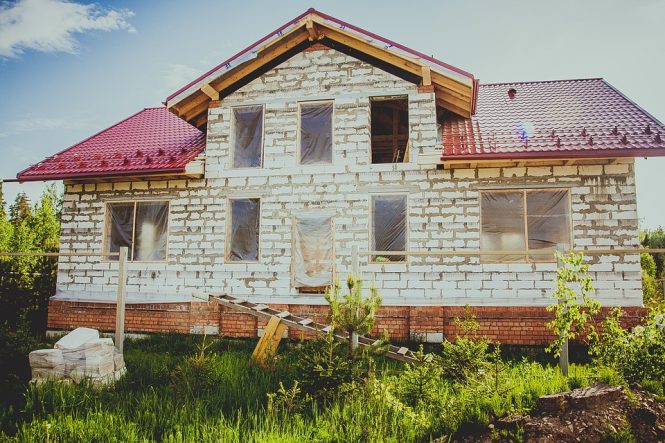
Building a Green Home: Sustainable Construction Methods and Materials
As the world grapples with the challenges of climate change, environmental degradation, and resource depletion, the construction industry is under increasing pressure to adopt more sustainable practices. Building a green home is not only a responsible choice, but it can also provide numerous benefits for homeowners, including reduced energy costs, improved indoor air quality, and increased property value. In this article, we will explore the latest sustainable construction methods and materials that can help you build a green home.
Sustainable Construction Methods
- Passive House Design: This design approach focuses on creating a well-insulated, airtight building envelope that minimizes heat loss and gain. This can be achieved through the use of advanced insulation materials, triple-glazed windows, and careful placement of windows and doors.
- Modular Construction: Modular construction involves building homes in a factory and then transporting them to the site. This approach reduces waste, minimizes site disruption, and allows for more efficient use of materials.
- Recycled and Reclaimed Materials: Using recycled and reclaimed materials can significantly reduce the environmental impact of construction. Examples include reclaimed wood, recycled glass, and low-VOC (volatile organic compound) paints.
- Net Zero Energy: Net zero energy homes are designed to produce as much energy as they consume. This can be achieved through the use of solar panels, wind turbines, and energy-efficient appliances.
Sustainable Building Materials
- Bamboo: Bamboo is a highly renewable, durable, and versatile material that can be used for flooring, walls, and roofing.
- Low-Carbon Concrete: Low-carbon concrete is made with alternative binders, such as fly ash or slag, which reduce the carbon footprint of traditional concrete.
- Recycled Glass: Recycled glass can be used as an aggregate in concrete, reducing the need for virgin materials and minimizing waste.
- Sustainably Sourced Wood: Sustainably sourced wood, such as FSC-certified wood, ensures that the wood is harvested in a responsible and environmentally friendly manner.
- Insulation Materials: Natural insulation materials, such as wool, cellulose, and recycled denim, can provide effective insulation while minimizing environmental impact.
- Green Roofing: Green roofs, which are covered with plants, can provide insulation, reduce stormwater runoff, and create habitats for wildlife.
Benefits of Building a Green Home
- Energy Efficiency: Green homes can reduce energy consumption by up to 50%, resulting in lower energy bills and a reduced carbon footprint.
- Improved Indoor Air Quality: Green homes often feature natural ventilation, air filtration systems, and low-VOC materials, which can improve indoor air quality and reduce the risk of respiratory problems.
- Increased Property Value: Green homes can increase property value by up to 10%, making them a valuable investment for homeowners.
- Water Conservation: Green homes often feature water-efficient appliances and fixtures, which can reduce water consumption and minimize wastewater generation.
- Reduced Waste: Green homes can reduce waste generation through the use of recycled and reclaimed materials, minimizing the environmental impact of construction.
Challenges and Opportunities
While building a green home can be a rewarding experience, there are also challenges to consider. These include:
- Higher Upfront Costs: Green homes often require higher upfront costs, although these costs can be offset by long-term energy savings.
- Limited Availability of Sustainable Materials: The availability of sustainable materials can vary depending on location and supplier.
- Building Codes and Regulations: Building codes and regulations may not always support green building practices, requiring homeowners to navigate complex regulatory frameworks.
Despite these challenges, the benefits of building a green home far outweigh the costs. As the demand for sustainable construction methods and materials continues to grow, we can expect to see more innovative solutions and technologies emerge. By embracing green building practices, we can create healthier, more sustainable, and more resilient homes for generations to come.
Conclusion
Building a green home is a critical step towards reducing our environmental footprint and creating a more sustainable future. By adopting sustainable construction methods and materials, homeowners can enjoy numerous benefits, including energy efficiency, improved indoor air quality, and increased property value. As the construction industry continues to evolve, we can expect to see more innovative and effective solutions emerge. Whether you’re building a new home or renovating an existing one, incorporating green building practices is a responsible and rewarding choice that can have a lasting impact on the environment and your community.


