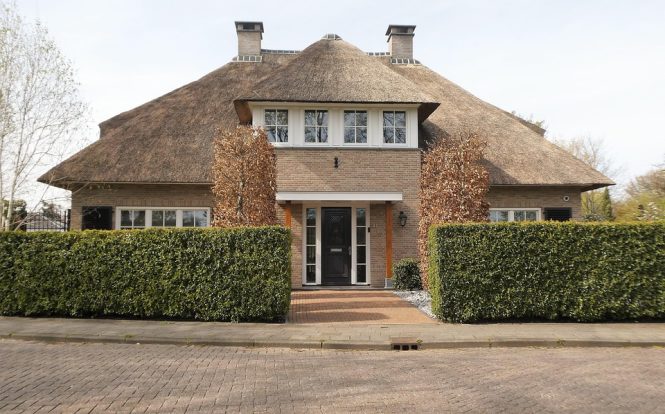
Asphalt shingles are the most widely used roofing material in the United States, accounting for over 80% of residential roofing installations. They are a popular choice among homeowners due to their affordability, ease of installation, and wide range of styles and colors. However, the question remains: are asphalt shingles the best choice for residential roofing?
Advantages of Asphalt Shingles
Asphalt shingles have several advantages that contribute to their widespread use. Some of the benefits include:
- Affordability: Asphalt shingles are one of the most affordable roofing materials on the market, with prices ranging from $0.50 to $2.50 per square foot, depending on the quality and brand.
- Easy Installation: Asphalt shingles are relatively simple to install, and most roofing contractors can complete the job quickly and efficiently.
- Wide Range of Styles and Colors: Asphalt shingles come in a variety of styles, including 3-tab, architectural, and luxury shingles, and are available in over 20 different colors, allowing homeowners to find the perfect match for their home’s exterior.
- Low Maintenance: Asphalt shingles require minimal maintenance, and any damaged shingles can be easily replaced.
Disadvantages of Asphalt Shingles
While asphalt shingles are a popular choice, they also have some significant disadvantages. Some of the drawbacks include:
- Short Lifespan: Asphalt shingles have a relatively short lifespan, typically lasting between 20 and 30 years, depending on the quality and environmental conditions.
- Environmental Impact: Asphalt shingles are made from petroleum-based products and contribute to landfill waste, with over 11 million tons of shingles being sent to landfills each year.
- Heat Absorption: Asphalt shingles can absorb heat, which can increase energy costs and reduce the lifespan of the shingles.
- Wind Resistance: Asphalt shingles can be prone to wind damage, particularly in areas with high wind speeds.
Alternatives to Asphalt Shingles
For homeowners looking for alternative roofing materials, there are several options available. Some of the most popular alternatives include:
- Metal Roofing: Metal roofing is a durable and long-lasting option, with a lifespan of up to 50 years or more. While it is more expensive than asphalt shingles, it offers excellent wind resistance and can be made from recycled materials.
- Clay and Concrete Tile: Clay and concrete tile are popular options for homeowners looking for a more sustainable and durable roofing material. They are made from natural materials and can last for 50 years or more.
- Slate Tile: Slate tile is a premium roofing material that offers excellent durability and a long lifespan. It is more expensive than asphalt shingles, but provides a unique and elegant appearance.
Conclusion
Asphalt shingles are the most popular residential roofing material, but they may not be the best choice for every homeowner. While they offer several advantages, including affordability and ease of installation, they also have significant disadvantages, such as a short lifespan and environmental impact. Homeowners should consider their budget, climate, and personal preferences when selecting a roofing material, and may want to explore alternative options, such as metal roofing, clay and concrete tile, or slate tile. Ultimately, the best roofing material will depend on individual circumstances, and homeowners should consult with a professional roofing contractor to determine the most suitable option for their needs.