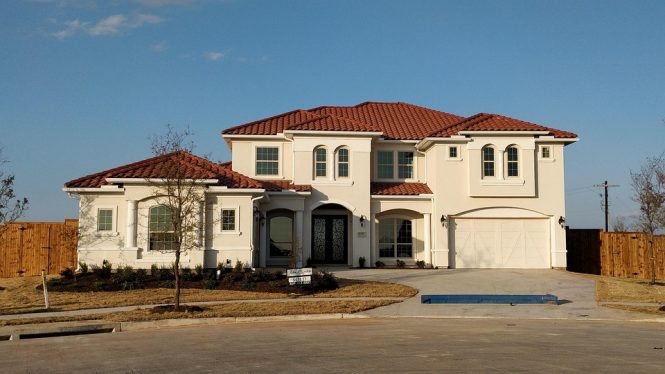
Budgeting for Home Construction: Tips for Staying on Track
Building a new home can be a thrilling experience, but it can also be a costly and overwhelming one. One of the most critical aspects of home construction is creating and sticking to a budget. A well-planned budget will help you stay on track, avoid financial stress, and ensure that your dream home becomes a reality. In this article, we will provide you with valuable tips on budgeting for home construction and help you navigate the process with ease.
Determine Your Budget
Before you start building, it’s essential to determine how much you can afford to spend on your new home. Consider your income, savings, and any financing options you may have. Make a list of all the costs involved in building a home, including:
- Land acquisition and preparation
- Design and planning
- Permits and inspections
- Materials and labor
- Equipment and tools
- Contingency fund
Create a Detailed Budget
Once you have a rough estimate of your budget, create a detailed breakdown of all the costs involved. Divide your budget into categories, such as:
- Site work and excavation
- Foundation and structural work
- Framing and installation of windows and doors
- Roofing and siding
- Plumbing, electrical, and HVAC
- Insulation and drywall
- Finishing work, including flooring, cabinets, and countertops
- Permits and inspections
- Contingency fund
Prioritize Your Needs
When creating your budget, prioritize your needs over your wants. Consider the essential features you need in your home, such as the number of bedrooms and bathrooms, kitchen layout, and storage space. Be realistic about what you can afford and make compromises where necessary.
Consider Hidden Costs
Hidden costs can quickly add up and blow your budget. Consider the following:
- Permits and inspections fees
- Utility hookups and connections
- Landscaping and site work
- Upgrades and changes to the original plan
- Interest on your construction loan
Set a Contingency Fund
A contingency fund is essential for any home construction project. Set aside 10-20% of your budget for unexpected expenses, such as:
- Delays due to weather or labor shortages
- Changes to the original plan
- Unforeseen site work or excavation costs
- Upgrades or repairs to existing systems
Track Your Expenses
Once construction begins, track your expenses carefully. Keep a record of all payments, invoices, and receipts. Regularly review your budget and make adjustments as needed.
Communicate with Your Builder
Clear communication with your builder is crucial to staying on budget. Ensure that you:
- Discuss and agree on all aspects of the project, including the budget and timeline
- Receive regular updates on the project’s progress and any changes to the budget
- Ask questions and seek clarification on any aspects of the project you’re unsure about
Be Flexible
Home construction is a complex process, and unexpected issues can arise. Be flexible and prepared to make adjustments to your budget and timeline as needed.
Conclusion
Budgeting for home construction requires careful planning, attention to detail, and a willingness to be flexible. By following these tips, you can create a comprehensive budget, prioritize your needs, and stay on track throughout the construction process. Remember to regularly review your budget, track your expenses, and communicate with your builder to ensure that your dream home becomes a reality without breaking the bank. With careful planning and management, you can enjoy the benefits of your new home while staying within your means.


