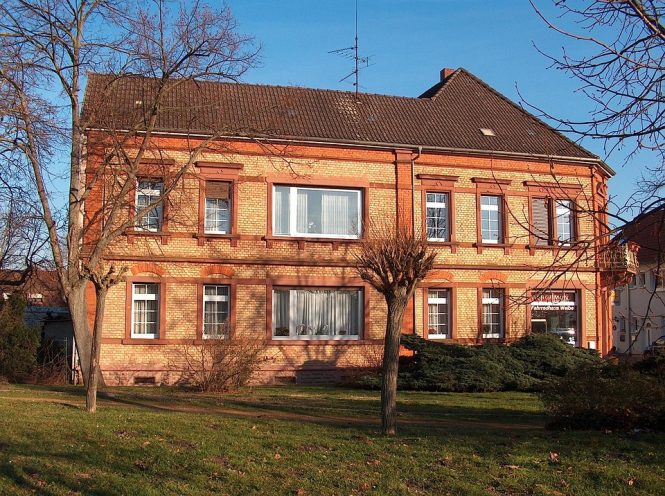
Tile, Slate, or Shake: The Pros and Cons of Different Residential Roofing Options
When it comes to choosing a residential roofing material, homeowners are often overwhelmed by the numerous options available. Three popular choices are tile, slate, and shake, each with its unique characteristics, advantages, and disadvantages. In this article, we will delve into the pros and cons of each option, helping you make an informed decision for your home.
Tile Roofing
Tile roofing is a popular choice among homeowners due to its durability, energy efficiency, and aesthetic appeal. There are several types of tile roofing, including clay, concrete, and metal. The benefits of tile roofing include:
- Long lifespan: Tile roofs can last up to 50 years or more with proper maintenance.
- Energy efficiency: Tile roofs can reflect sunlight and heat, reducing cooling costs.
- Low maintenance: Tile roofs are resistant to pests, mold, and mildew, and can withstand harsh weather conditions.
- Variety of styles: Tile roofs come in a range of colors, shapes, and sizes, allowing homeowners to choose a style that complements their home’s architecture.
However, tile roofing also has some drawbacks:
- High upfront cost: Tile roofs are one of the more expensive roofing options.
- Heavy: Tile roofs can be heavy, requiring additional support and potentially causing structural issues.
- Breakage: Tiles can break or crack if walked on or subjected to extreme weather conditions.
Slate Roofing
Slate roofing is a premium option known for its natural beauty, durability, and fire resistance. The benefits of slate roofing include:
- Long lifespan: Slate roofs can last up to 100 years or more with proper maintenance.
- Fire resistance: Slate is non-combustible, making it an excellent choice for homes in fire-prone areas.
- Low maintenance: Slate roofs are resistant to pests, mold, and mildew, and can withstand harsh weather conditions.
- Aesthetic appeal: Slate roofs have a unique, natural beauty that can enhance a home’s curb appeal.
However, slate roofing also has some significant drawbacks:
- High cost: Slate roofs are one of the most expensive roofing options.
- Heavy: Slate roofs are extremely heavy, requiring additional support and potentially causing structural issues.
- Installation challenges: Slate roofs require specialized installation, which can be time-consuming and labor-intensive.
Shake Roofing
Shake roofing is a traditional option made from wooden shingles, often cedar or cypress. The benefits of shake roofing include:
- Natural beauty: Shake roofs have a rustic, natural charm that can complement a home’s architecture.
- Energy efficiency: Shake roofs can provide insulation and reflect sunlight, reducing cooling costs.
- Cost-effective: Shake roofs are generally less expensive than tile or slate roofs.
- Easy installation: Shake roofs are relatively easy to install, making them a popular choice for DIY enthusiasts.
However, shake roofing also has some significant drawbacks:
- Short lifespan: Shake roofs typically last between 20 to 30 years, requiring more frequent replacement.
- High maintenance: Shake roofs require regular maintenance, including cleaning and sealing, to prevent rot and decay.
- Fire risk: Shake roofs are combustible, making them a fire hazard, especially in dry climates.
Conclusion
Choosing the right residential roofing material depends on various factors, including budget, climate, and personal preference. Tile, slate, and shake roofing each have their unique advantages and disadvantages. While tile roofing offers durability and energy efficiency, slate roofing provides a premium, long-lasting option. Shake roofing, on the other hand, offers a natural, cost-effective choice, but requires more frequent maintenance.
Ultimately, it’s essential to weigh the pros and cons of each option, consider your specific needs and priorities, and consult with a professional roofer to make an informed decision. By doing so, you’ll be able to choose a roofing material that not only protects your home but also enhances its beauty and value.


